




Description
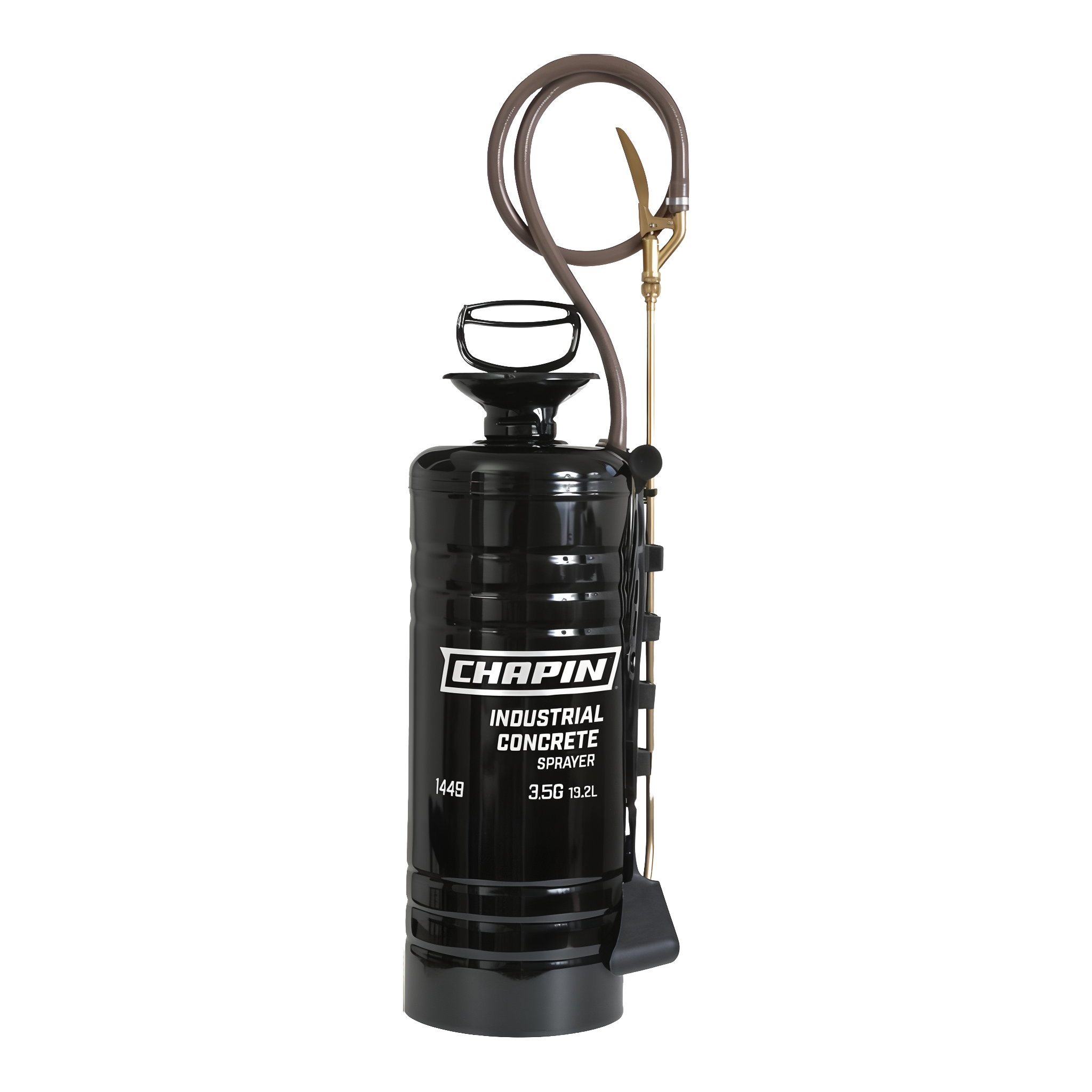
Spray form oils, concrete additives, and curing compounds reliably on the job site with the Chapin 1449 Industrial Concrete Sprayer. This contractor-grade 3.5-gallon (13.2 L) sprayer pairs a heavy-duty Tri-Poxy steel tank with all-brass wet-side hardware — built to stand up to aggressive concrete chemistry, daily site abuse, and the kind of long pours where a plastic sprayer would fail by lunch.
Model: 1449 · Capacity: 3.5 Gallon (13.2 L) · Vendor: Chapin
Built for Concrete Work
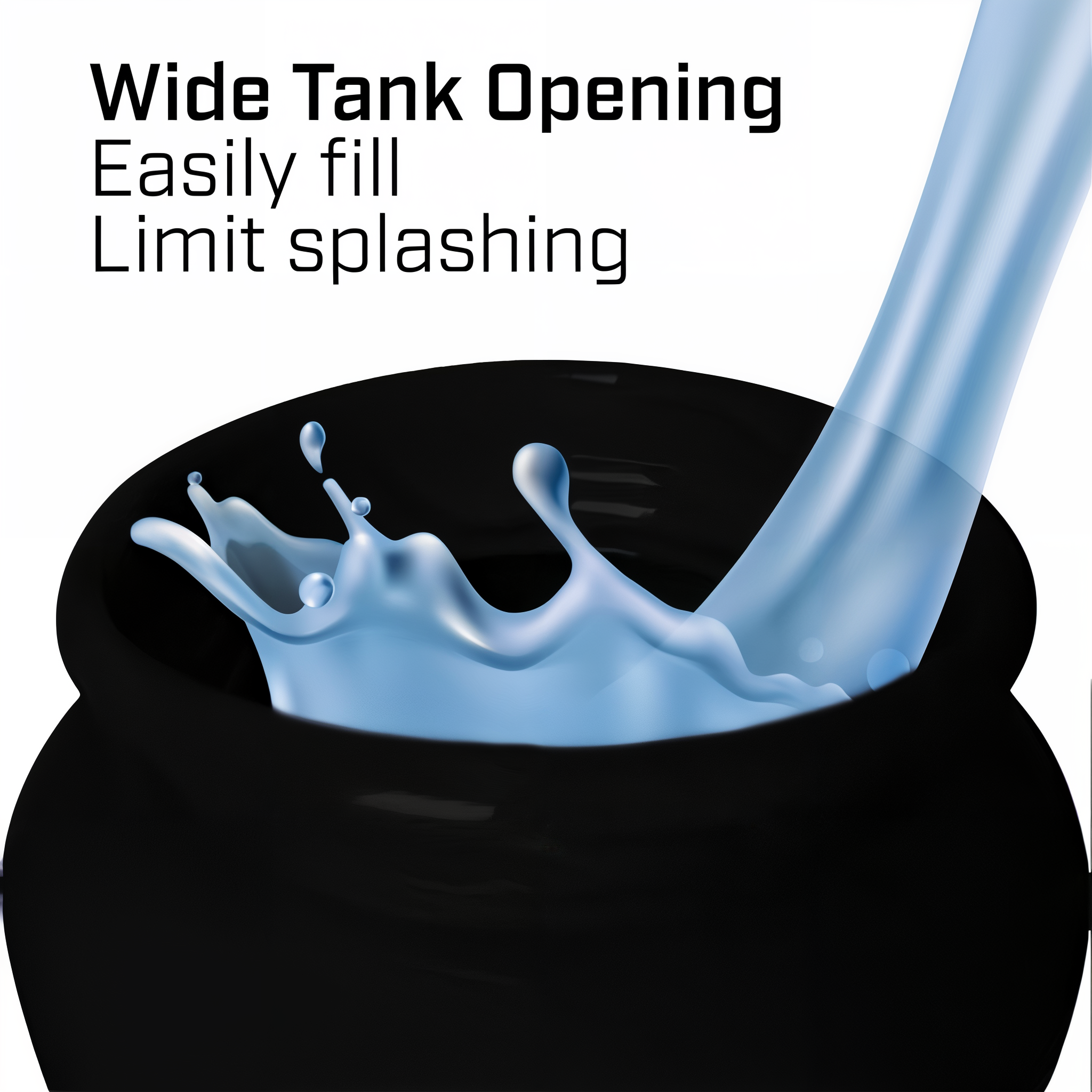
- Wide tank opening: fill faster and limit splashing — critical when you’re pouring viscous form release oils or curing compounds
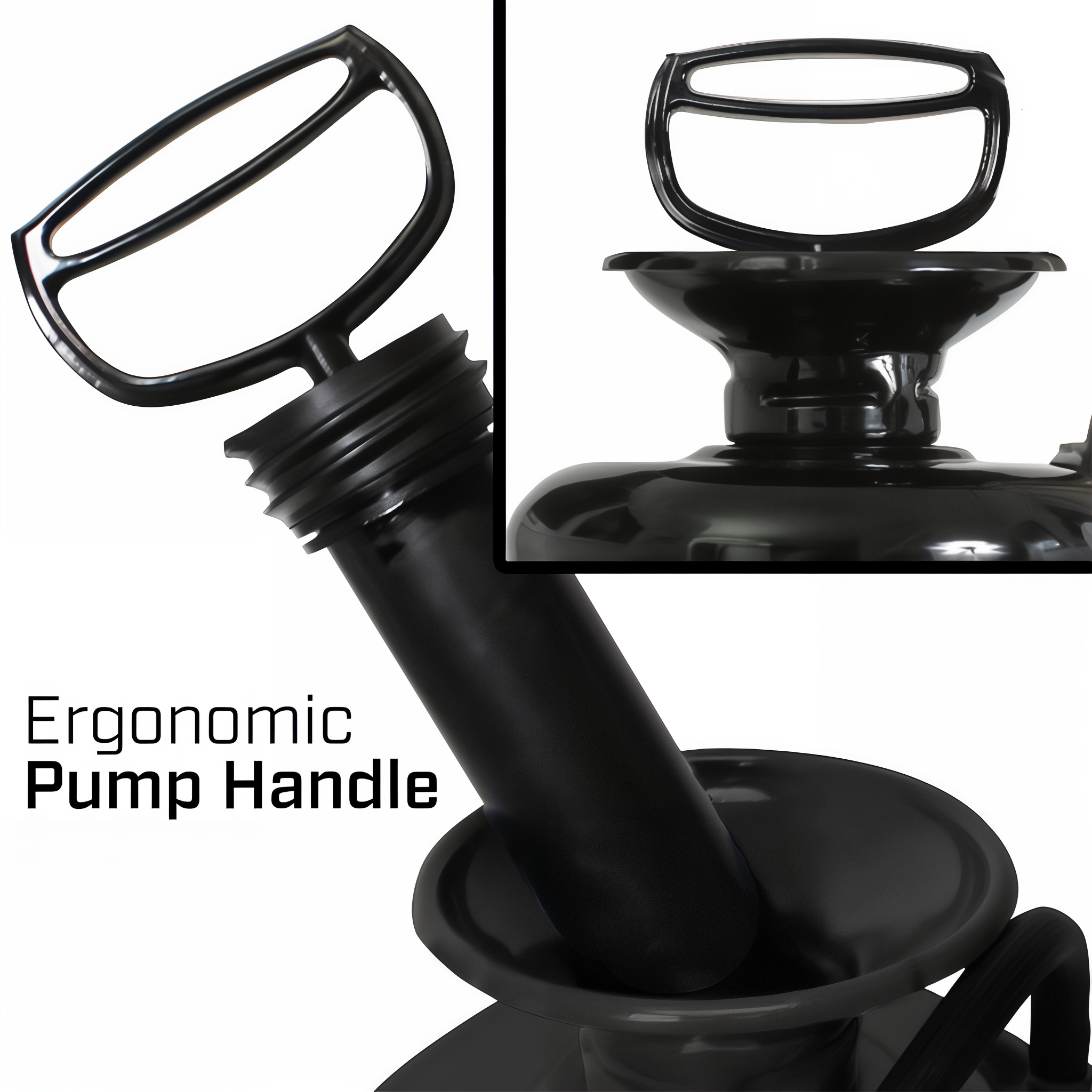
- Ergonomic pump handle: comfortable two-hand pressurization with reduced wrist strain on long days
- All-brass wet path: brass nozzle, brass wand, and brass shutoff resist corrosion from solvent-based form oils and aggressive curing chemistry
- Tri-Poxy steel tank: three-layer baked-on coating for impact, rust, and chemical resistance — standard on Chapin industrial sprayers
- 3.5-gallon capacity: cover more surface per fill, reduce trips back to the mixing station
What It’s For
- Form oils: apply release agents to formwork before pours
- Concrete additives: spray surface retarders, accelerators, evaporation reducers, and bond breakers
- Curing compounds: apply membrane curing compounds and water-based sealers on freshly placed concrete
- Construction site work: built for the daily abuse of commercial form-and-pour and flatwork crews
Specifications
- Capacity: 3.5 Gallon (13.2 L)
- Model: 1449
- Tank: Tri-Poxy steel construction
- Tank Opening: Wide-mouth for fast fills
- Wand: Brass
- Nozzle: Brass
- Shutoff: Brass
- Pump: Ergonomic handle
- Use: Industrial — concrete contractors, form-and-pour crews, flatwork
Application Tips
- Confirm chemical compatibility for any product not on the manufacturer’s approved list before filling the tank
- Pre-strain thick or particulate-laden mixes to keep the brass nozzle clear
- After use, drain the tank, flush with the appropriate solvent or water, and store with the cap off so seals can dry
- Relieve pressure before opening the tank between uses
- Wear chemical-resistant gloves and eye protection when handling form release oils and curing compounds