

Description
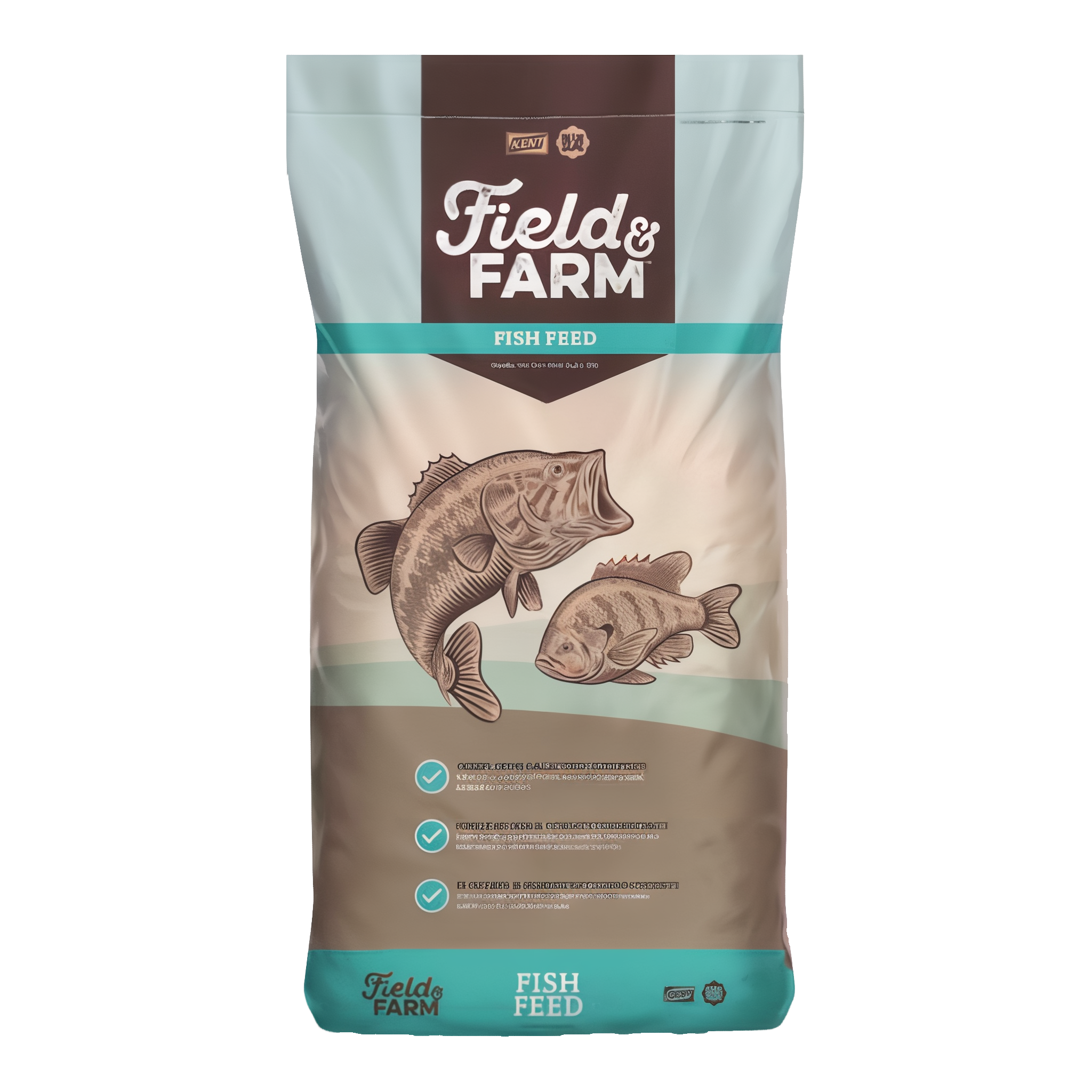
Keep the fish in your pond growing and easy to watch with Kent Field and Farm Fish Feed, a pelleted ration for stocked recreational ponds. Supplemental feeding does two things for a small pond. It puts more growth on the fish than natural forage alone can support, and it trains them to come to one spot at one time, which turns feeding into the best part of the afternoon for anyone with a dock and a bucket. The uniform pellet makes it simple to see how much is being eaten, so you can adjust before leftover feed ever becomes a water quality problem.
Key Features
- Pond Fish Ration: Formulated as supplemental feed for stocked recreational ponds and small waters.
- Supports Growth: Adds nutrition beyond what natural forage in a small pond can provide on its own.
- Uniform Pellets: Consistent size makes it easy to judge intake and avoid overfeeding.
- Trains the Fish: Regular feeding at the same place and time brings fish to the dock where you can see them.
- Easy to Broadcast: Scatters cleanly by hand from a bank, dock, or boat.
- Farm and Recreation Use: Suited to catfish, bluegill, and other commonly stocked pond species.
- Handy Bag: Stores easily in a shed or barn between feedings.
How to Use
Feed once or twice a day at the same spot and the same time, scattering only as much as the fish will clean up in about five minutes. Start small and work up, watching how fast the pellets disappear. Fish feed most actively in warm water, so expect strong appetites through summer and taper off as the water cools in fall, stopping altogether when the pond turns cold and the fish stop coming up. Never leave uneaten feed floating, since decaying feed pulls oxygen out of a pond and can foul the water. Store the bag closed in a cool, dry, rodent proof place.
Specifications
- Brand: Kent
- Species: Pond fish
- Feed Form: Pellet
- Unit of Sale: Per bag
Stop by Garoppo's Stone & Garden Center and Feed & Pet Supply to pick up a bag, or schedule local delivery within our service area.